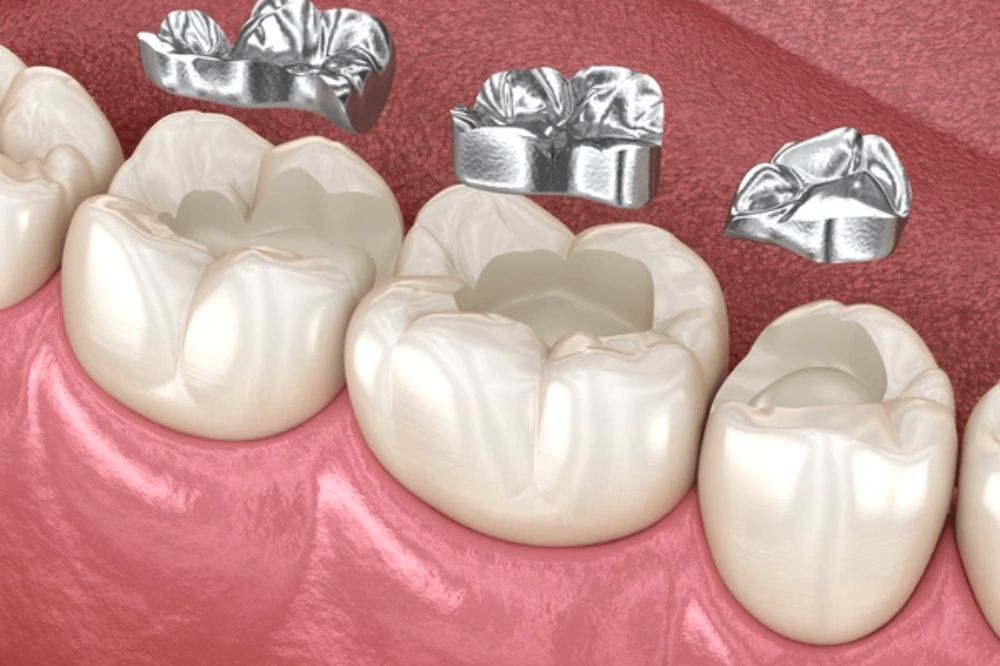
Dental sealants are a common way to protect teeth from cavities. They are thin coatings placed on the chewing surface of back teeth. These teeth often have deep grooves where food and bacteria collect.
Many people get sealants as children, but adults can benefit from them too. They help reduce the risk of cavities by creating a barrier over areas that are hard to clean. Dental Sealants in Federal Way are often recommended for patients who want extra protection from tooth decay.
Sealants do not last forever. But they can protect teeth for many years when they are placed properly and cared for well.
What Are Dental Sealants
Dental sealants are thin protective layers made from a safe dental material. They are applied to the chewing surface of molars and premolars. These areas are more likely to trap food and bacteria.
Sealants fill the deep grooves of these teeth. This makes the surface smoother and easier to keep clean.
Dental sealants help protect teeth in several simple ways.
- They cover deep grooves on the back teeth
- They help block food particles from getting trapped
- They reduce the risk of bacteria staying on the tooth surface
- They support daily brushing by making teeth easier to clean
The process of placing sealants is simple. The tooth is cleaned first. Then the sealant material is applied and hardened with a special light. Most patients feel no discomfort during the procedure. It usually takes only a short visit to complete.
How Long Dental Sealants Usually Last
Dental sealants can last several years. In many cases, they remain effective for five to ten years. The exact lifespan depends on a few factors.Daily habits and oral care often affect how long sealants stay in place.
Several factors can influence how long dental sealants last.
- The strength of the sealant material used
- How well the sealant bonded to the tooth
- Daily habits such as grinding teeth
- Regular dental checkups and oral care
Sealants may slowly wear down over time. Chewing pressure can cause small areas to chip or fade. This does not always mean the sealant has failed.
Dentists check sealants during routine visits. If any area has worn away, it can usually be repaired quickly.
Signs That Sealants May Need Replacement
Sealants are strong, but they are not permanent. Over time, they may wear down or break in small areas. Most people do not notice these changes on their own. This is why regular dental visits are important.
There are a few signs that sealants may need repair or replacement.
- The sealant looks worn or thin
- Small cracks appear on the surface
- Part of the sealant has chipped away
- Food begins getting trapped again in the grooves
When these signs appear, the dentist may recommend repair or replacement. The process is simple and usually quick.
Seeing a dentist in Federal Way during regular checkups helps make sure sealants continue doing their job.
Why Sealants Help In Preventing Tooth Decay
Back teeth have natural grooves and pits. These areas can trap food and bacteria even when someone brushes carefully. Sealants help by closing these deep grooves. This makes the surface easier to clean.
Sealants support preventing tooth decay in several ways.
- They create a protective layer over the tooth
- They reduce the chance of bacteria settling in grooves
- They support better oral hygiene
- They lower the risk of cavities in molars
Sealants are not a replacement for brushing or flossing. They add another layer of protection. Combined with daily oral care, they help reduce the chances of cavities developing over time.
Understanding Dental Sealant Costs
The cost of dental sealants can vary depending on a few factors. The number of teeth treated is one of the biggest reasons for cost differences. Some dental insurance plans help cover sealants, especially for children.
Several factors can affect dental sealant costs.
- The number of teeth receiving sealants
- The dental office and location
- Insurance coverage, if available
- The type of material used for the sealant
Even without insurance, sealants are usually considered a preventive treatment. Many people find them more affordable than treating cavities later. Preventive care often helps avoid more complex dental procedures in the future.
Protect Your Teeth With Preventive Dental Care
If you are thinking about sealants or want to check the condition of the ones you already have, we at Dibble Family Dental are ready to help. Scheduling a visit can help you understand if sealants are the right choice for your teeth and how they can support a healthier smile.
Frequently Asked Questions
How long do dental sealants usually last?
Dental sealants often last between five and ten years. Dentists check them during regular visits to make sure they are still protecting the tooth.
Can adults get dental sealants?
Yes. Sealants are often placed for children, but adults with deep grooves in their back teeth can benefit from them as well.
Do dental sealants hurt when they are applied?
No. The process is simple and painless. The dentist cleans the tooth, places the sealant, and then uses a special light to harden it.
Do dental sealants replace brushing and flossing?
No. Sealants add protection to the teeth. Brushing, flossing, and regular dental visits are still needed to keep teeth healthy.