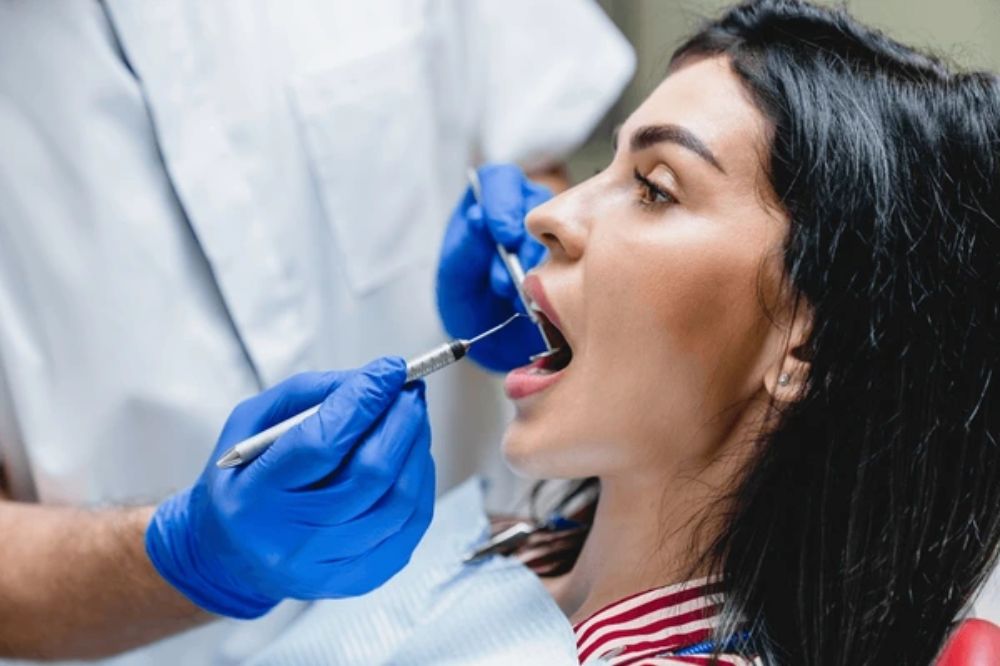
Dealing with constant cavities can be frustrating and painful for many people. When a person looks into dental implants in Federal Way, they often wonder if swapping natural teeth for titanium ones will end the cycle of decay forever. Since an implant is made of metal and porcelain, it cannot develop a cavity as a normal tooth does. This makes it a very appealing choice for those who feel like they are always sitting in a dental chair getting new fillings.
However, moving toward a permanent solution requires a clear understanding of how oral health changes after a procedure. While the artificial tooth itself is immune to rot, the gums and bone holding it in place still need careful attention. A dentist can help you decide if moving toward a full replacement is the right path for your specific situation.
Why Do Artificial Teeth Stop Decay?
Natural teeth are covered in enamel, which is a hard surface that can still be dissolved by acid from sugar and bacteria. When a patient chooses tooth replacement options like implants, they are essentially installing a shield that bacteria cannot eat through.
- Materials: The post is usually made of titanium, and the crown is made of high-quality ceramic.
- No Enamel: Without natural enamel, there is no place for a cavity to form.
- No Nerves: Unlike a real tooth, an implant does not have a nerve that can feel the pain of a deep rot.
Understanding the Risks to the Gums
Even though the “tooth” part cannot decay, the area around the metal post remains vulnerable. If a person does not find a reliable dentist near you to perform regular checkups, they might develop a condition called peri-implantitis. This is a type of gum disease that attacks the bone supporting the metal post.
- Bacteria Build-up: Plaque can still stick to the ceramic crown and slide down under the gum line.
- Bone Loss: If the gums become infected, the jawbone might pull away from the implant.
- Stability Issues: Without strong bone, the replacement tooth can become loose or even fall out.
Is the Dental Implant Cost Worth the Investment?
Many families worry about the initial dental implant cost when comparing it to the price of a simple filling or a bridge. It is helpful to think about the long-term savings that come from a permanent fix. A filling might need to be replaced every few years, but a well-maintained implant can last for several decades or even a lifetime.
When calculating the total expense, consider the value of avoiding future toothaches and emergency visits. Investing in a sturdy replacement today often prevents the need for more expensive surgeries down the road. Most patients find that the peace of mind knowing their tooth will never rot again is worth the price.
How to Care for a Smile That Cannot Rot
Just because a replacement tooth is made of metal and porcelain does not mean brushing becomes optional. Maintaining a clean mouth is the only way to ensure the jawbone stays strong enough to hold the new tooth in place.
- Brush Twice a Day: Use a soft toothbrush to gently clean food off the tooth and around your gums.
- Use Special Floss: Use special floss designed for implants to clean the tiny spaces where germs like to hide.
- Refrain from chewing on hard things: Chewing ice or hard objects like pens can cause cracks in a new tooth that is strong.
- Keep Your Appointments: Regular cleanings are crucial, as we can eliminate stubborn buildup that a toothbrush at home cannot reach.
Comparing Implants to Other Solutions
If a person has many failing teeth, they might look at several different ways to restore their smile. Each method has pros and cons depending on the health of the remaining jawbone and the budget of the patient.
- Bridges: These use the surrounding teeth for support, but those “anchor” teeth can still get cavities.
- Partial Dentures: These are removable, which makes them easier to clean but less stable when eating.
- Full Implants: These provide the most natural feel and the highest level of protection against future decay.
Your Path to a Permanent Smile
Choosing to replace decayed teeth is a major step toward a life without constant dental pain. While natural teeth are prone to cavities, modern technology offers a way to rebuild a smile that stays strong and beautiful. Our team at Dibble Family Dental focuses on providing long-term solutions that help you eat, speak, and smile with total confidence again.
Schedule your visit today.
Frequently Asked Questions
Can I still get gum disease if all my teeth are replaced with implants?
Yes, the gum tissue is still living and can become infected if bacteria are allowed to grow. While the teeth won’t rot, the gums must stay healthy to keep the implants firmly attached to the jaw.
How long does the surgery take to heal?
The initial healing of the gums usually takes about a week or two. However, the process where the bone grows around the metal post, called osseointegration, can take several months to complete.
Will my new teeth look different from my natural ones?
A skilled dentist matches the color and shape of the ceramic crown to your existing teeth. Most people will never be able to tell which tooth is real and which one is an implant.
Do implants feel like real teeth when eating?
Because the post is anchored directly into the bone, they feel very similar to natural teeth. You can chew tough foods like steak or apples without worrying about the tooth shifting or clicking.